Home » Process Industry » Cement & Building Materials
Precision Instrumentation for the Cement & Building Materials Industry
Industrial-grade instrumentation designed for accurate and stable measurement of pressure, temperature, flow, level, and gas composition throughout cement production processes. From raw material grinding to emission control, these rugged and intelligent instruments ensure reliable process control, energy efficiency, and long-term stability under harsh industrial conditions.
Addressing the Core Challenges of Cement & Building Materials Process Control
Cement manufacturing involves high temperature, heavy dust, and corrosive gases that challenge instrumentation reliability. Accurate measurement ensures process balance, equipment safety, and emission compliance.
High Temperature & Harsh Environment
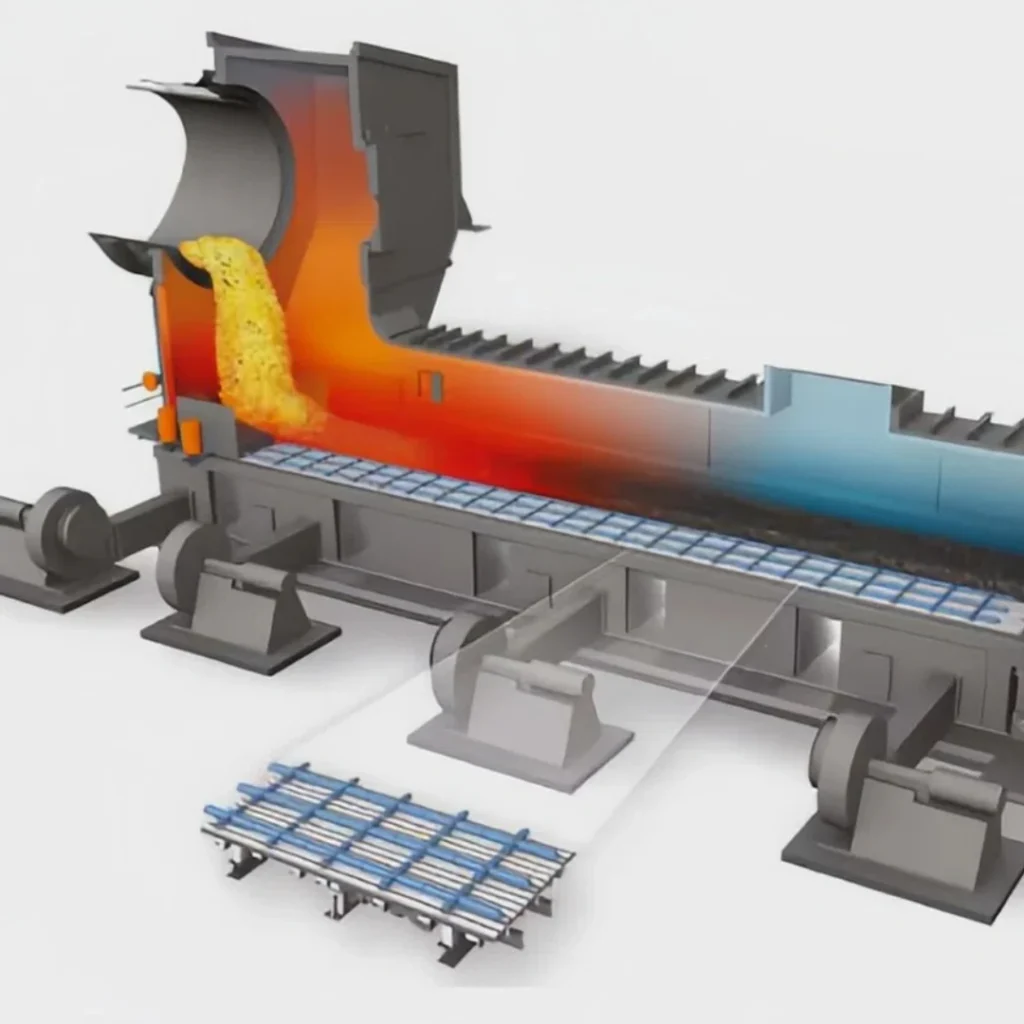
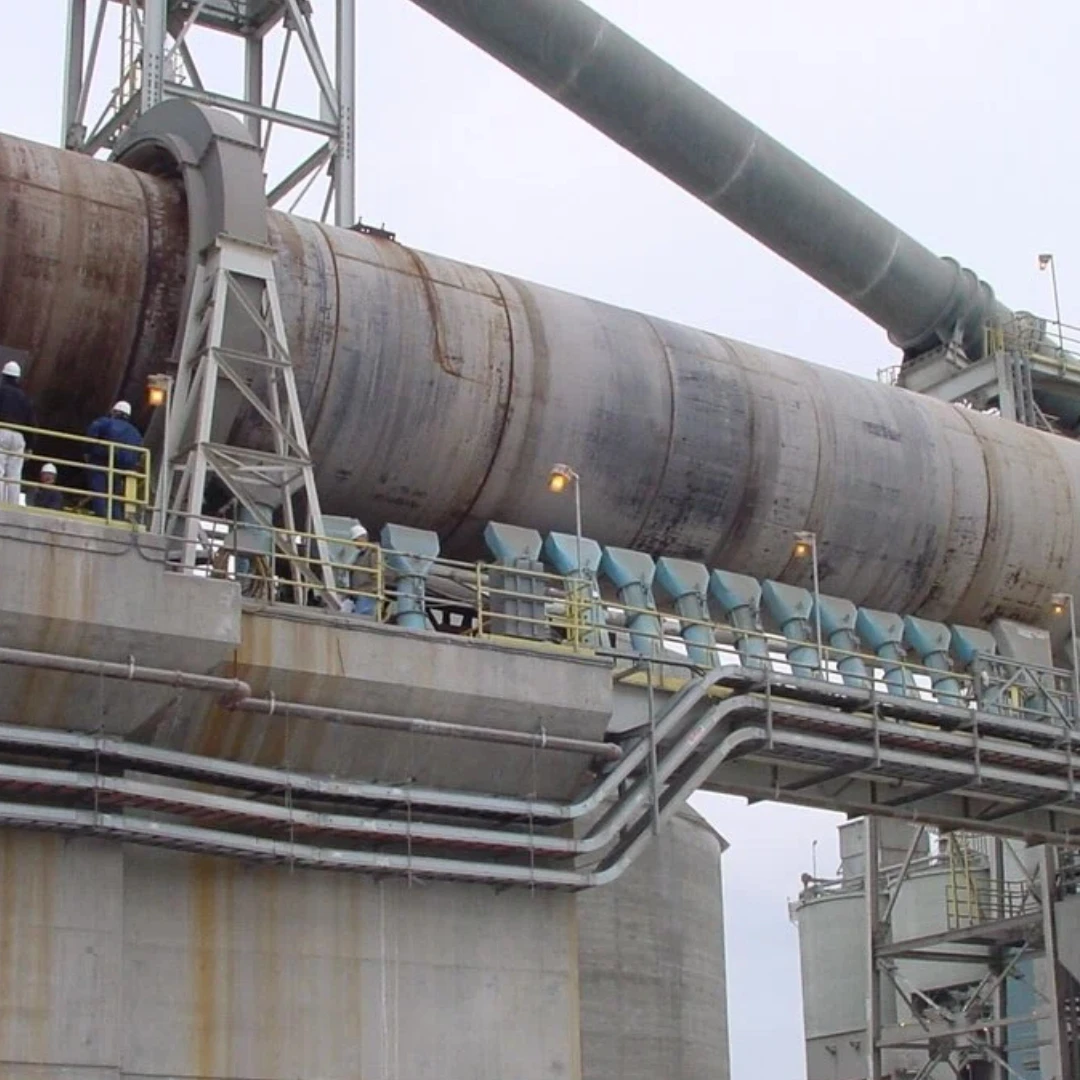
Rotary kilns and clinker coolers exceed 1400 °C, subjecting instruments to severe heat and dust.High-temperature pressure transmitters and thermocouple assemblies with 316L housings and heat-resistant diaphragms provide accurate kiln pressure and temperature monitoring without drift.
Abrasive Dust & Material Build-Up
Dust clogging in pressure lines and flow paths distorts readings.Differential pressure transmitters with purge fittings and anti-clog structures ensure stable measurement and extended maintenance intervals in raw mills and baghouses.
Corrosive Gas & Emission Monitoring
SO₂ and NOx in exhaust gas cause corrosion and data drift.Gas analyzers with PTFE-lined sampling probes and automatic purge systems maintain stable signal accuracy for emission compliance.
Distributed Process & Data Integration
Cement plants require synchronized monitoring across multiple sections. Smart transmitters supporting HART and Modbus integrate with SCADA for real-time visibility, diagnostics, and predictive maintenance.
Instrumentation in the Cement & Building Materials Industry
Throughout every stage of cement and building material production, precision instrumentation ensures accurate measurement, stable performance, and continuous data traceability — even under extreme temperature, dust, and vibration conditions.

Raw Material Grinding & Conveying
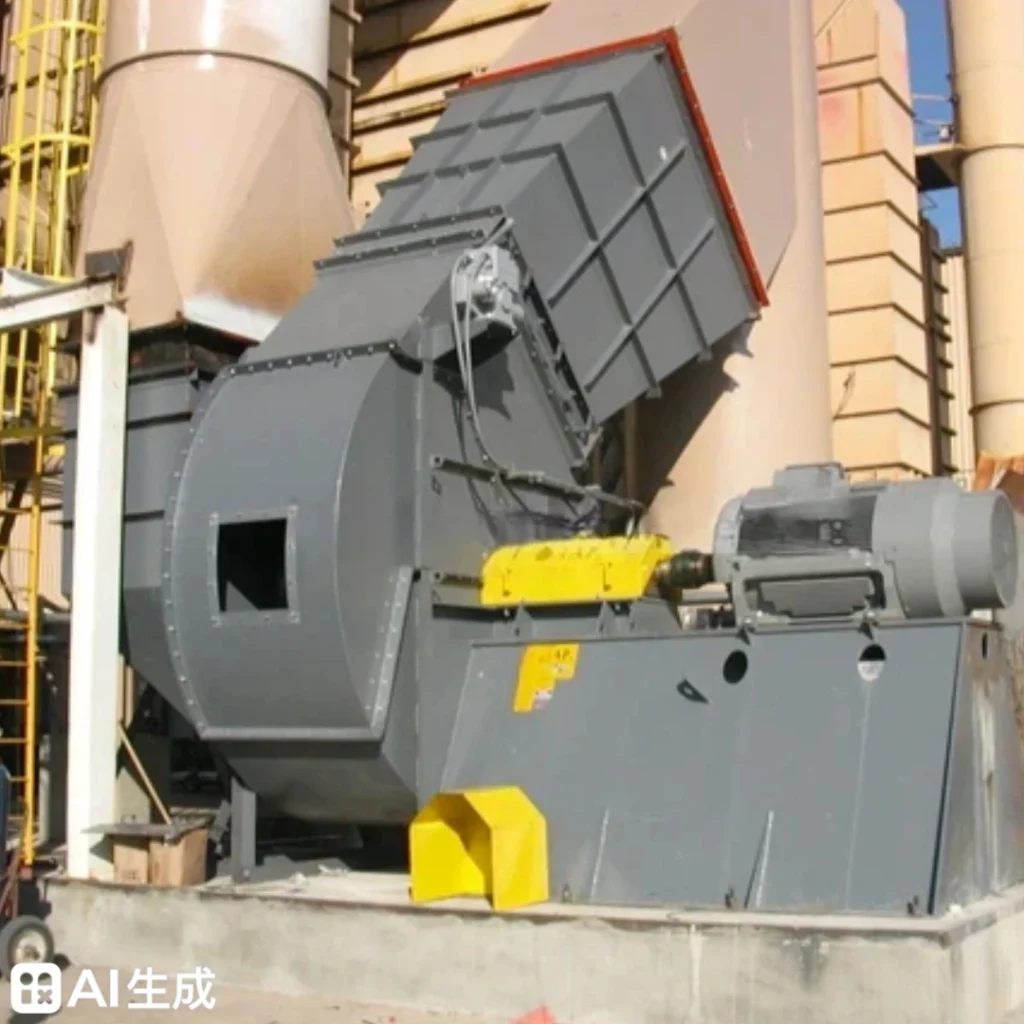
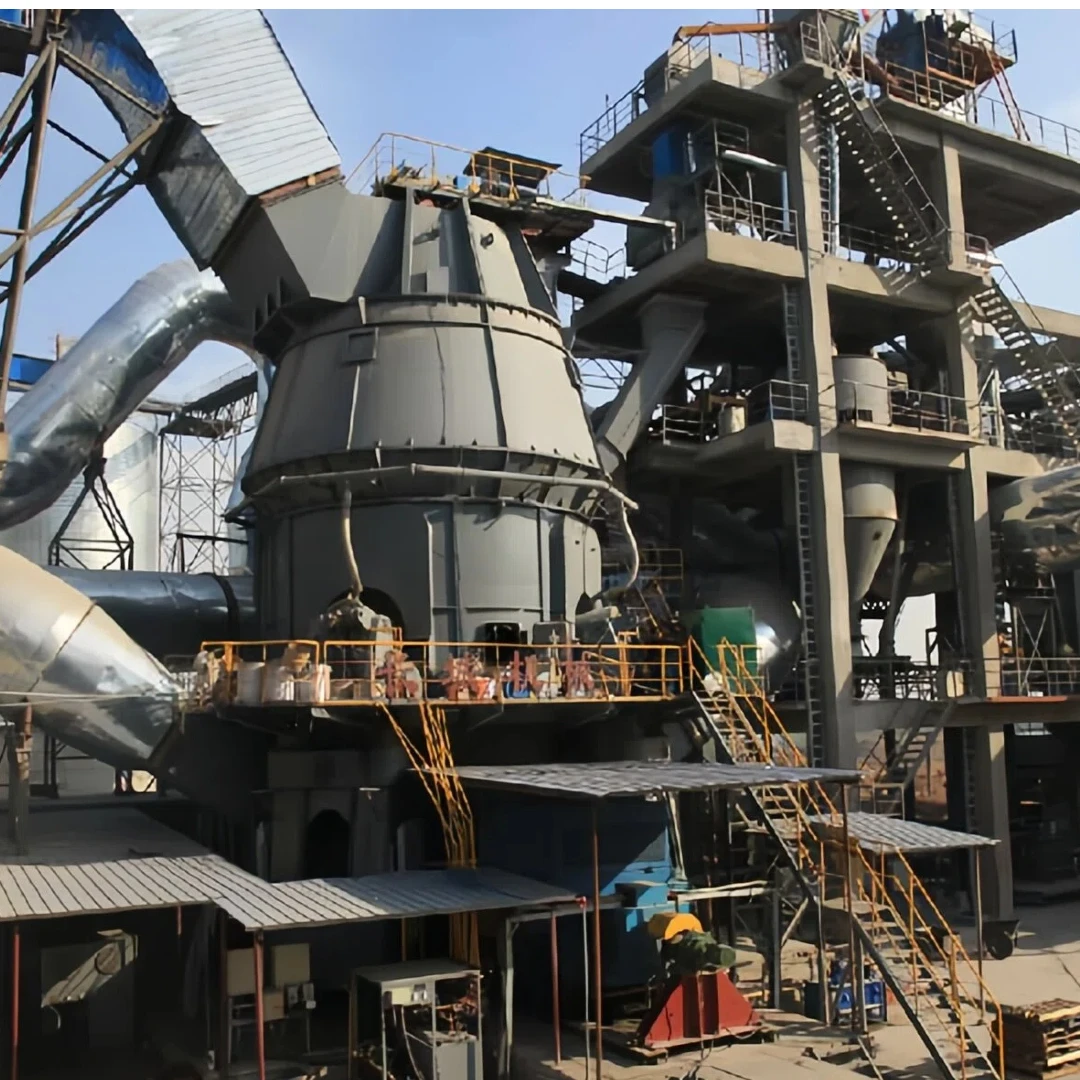
High vibration and dust require rugged instruments. Pressure, flow, and radar level transmitters with anti-vibration design and IP68 protection ensure stable air and material flow monitoring.
Rotary Kiln & Clinker Production
Operating at extreme temperatures, this is the key control stage. High-temperature thermocouples and Hastelloy pressure transmitters maintain precise combustion and kiln draft stability.
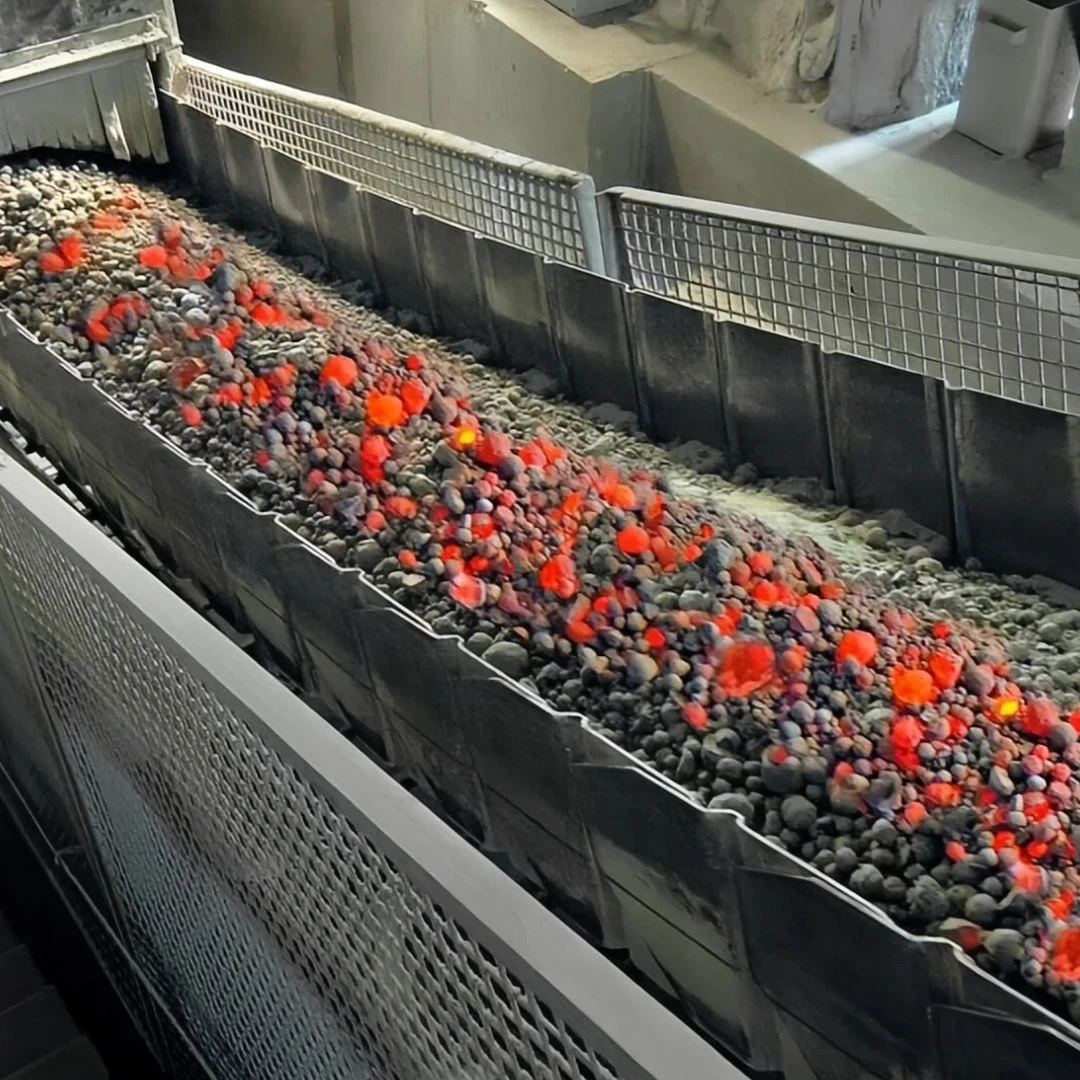
Clinker Cooling & Heat Recovery
Cooling air and exhaust gas flow directly affect energy efficiency. Thermal and vortex flow meters with fast-response temperature transmitters optimize cooling and heat recovery.
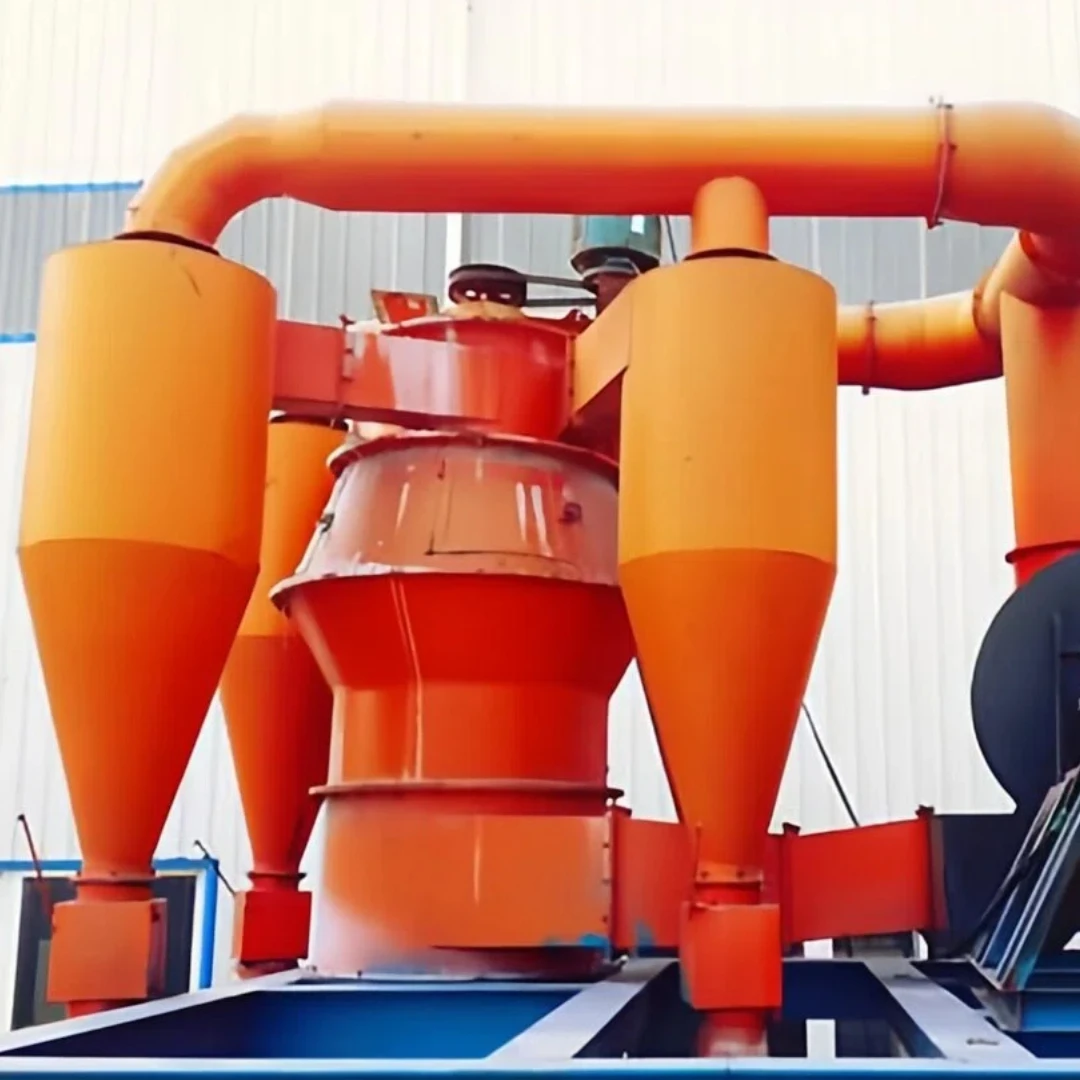
Cement Mill & Classification
Accurate flow and pressure balance ensure product fineness. Differential pressure transmitters with self-cleaning functions maintain continuous grinding and separation stability.
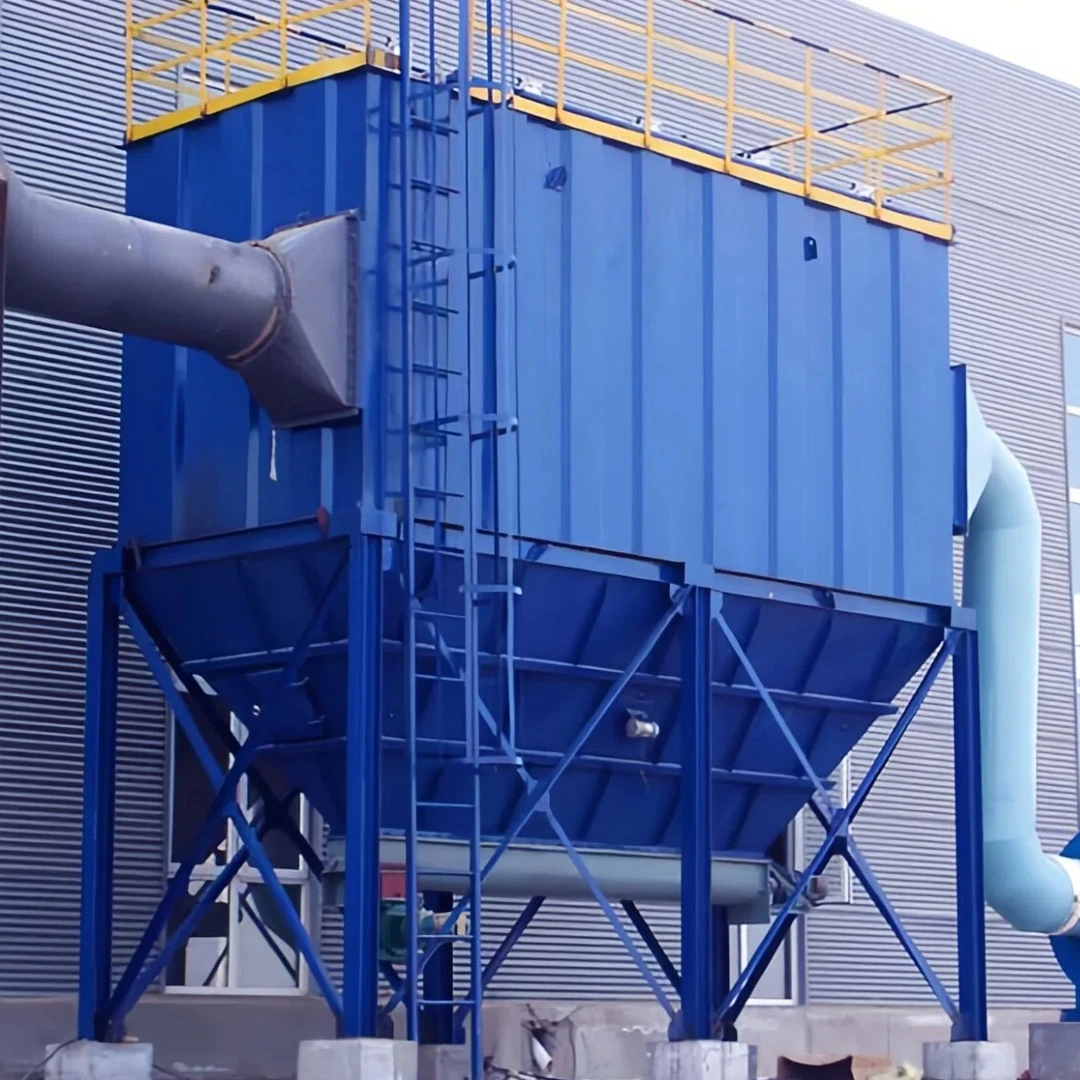
Dust Collection & Emission Monitoring
Emission control relies on precise differential pressure and gas analysis. DP transmitters and multi-gas analyzers provide real-time data for dust load, O₂, and gas composition compliance.
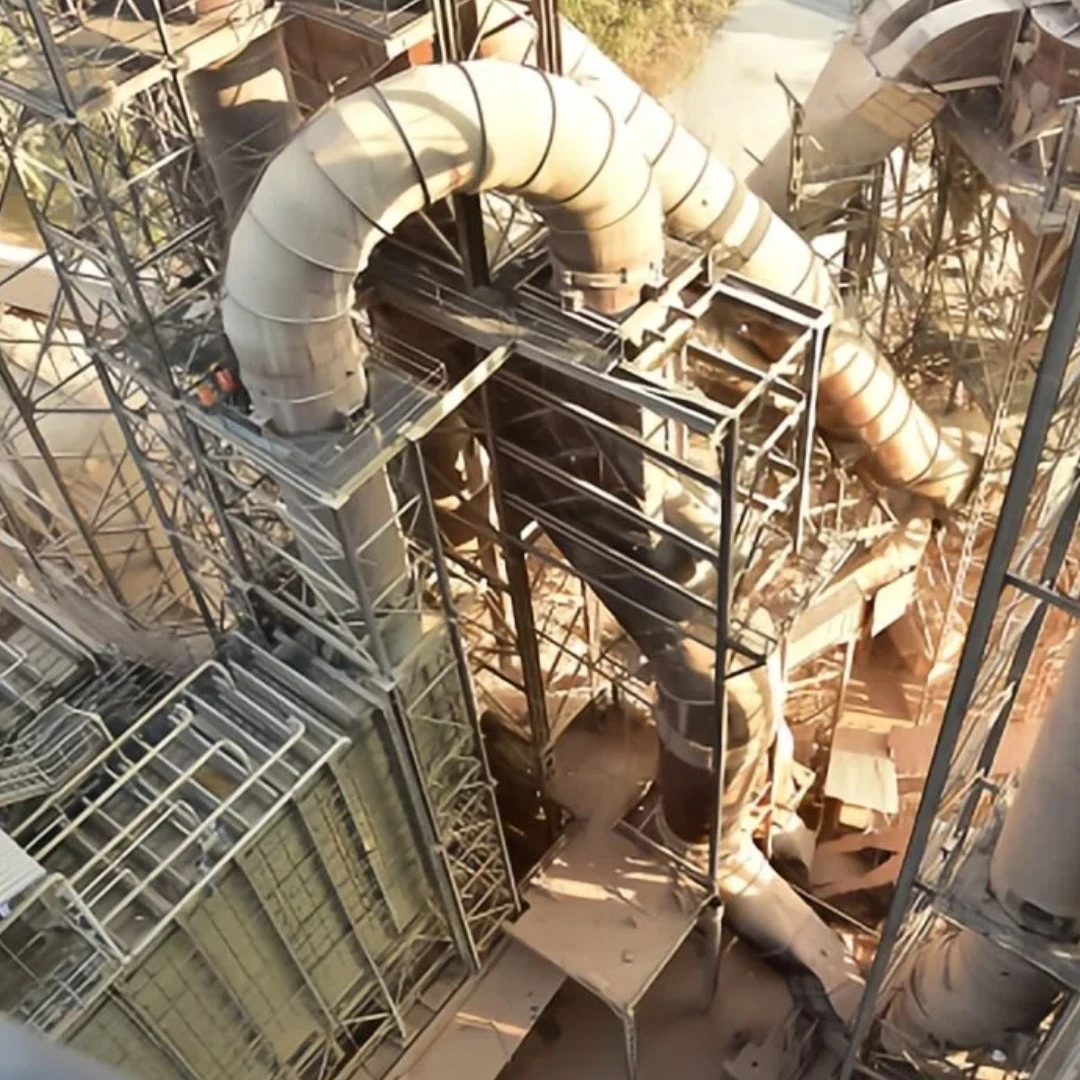
Waste Heat Recovery & Energy Optimization
Comprehensive temperature, pressure, and flow monitoring improve energy utilization.Integrated measurement enables performance tracking, predictive maintenance, and sustainability reporting.
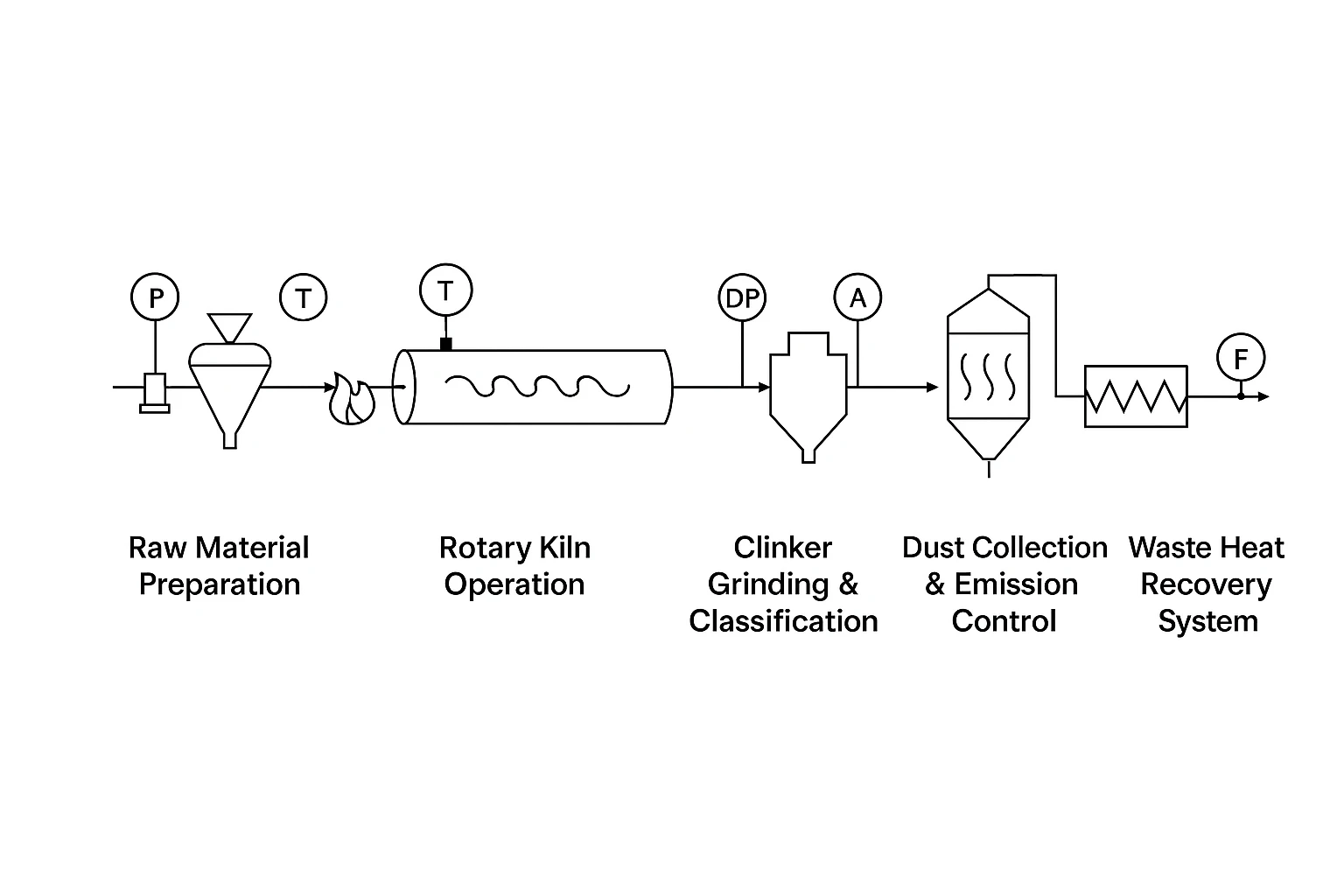
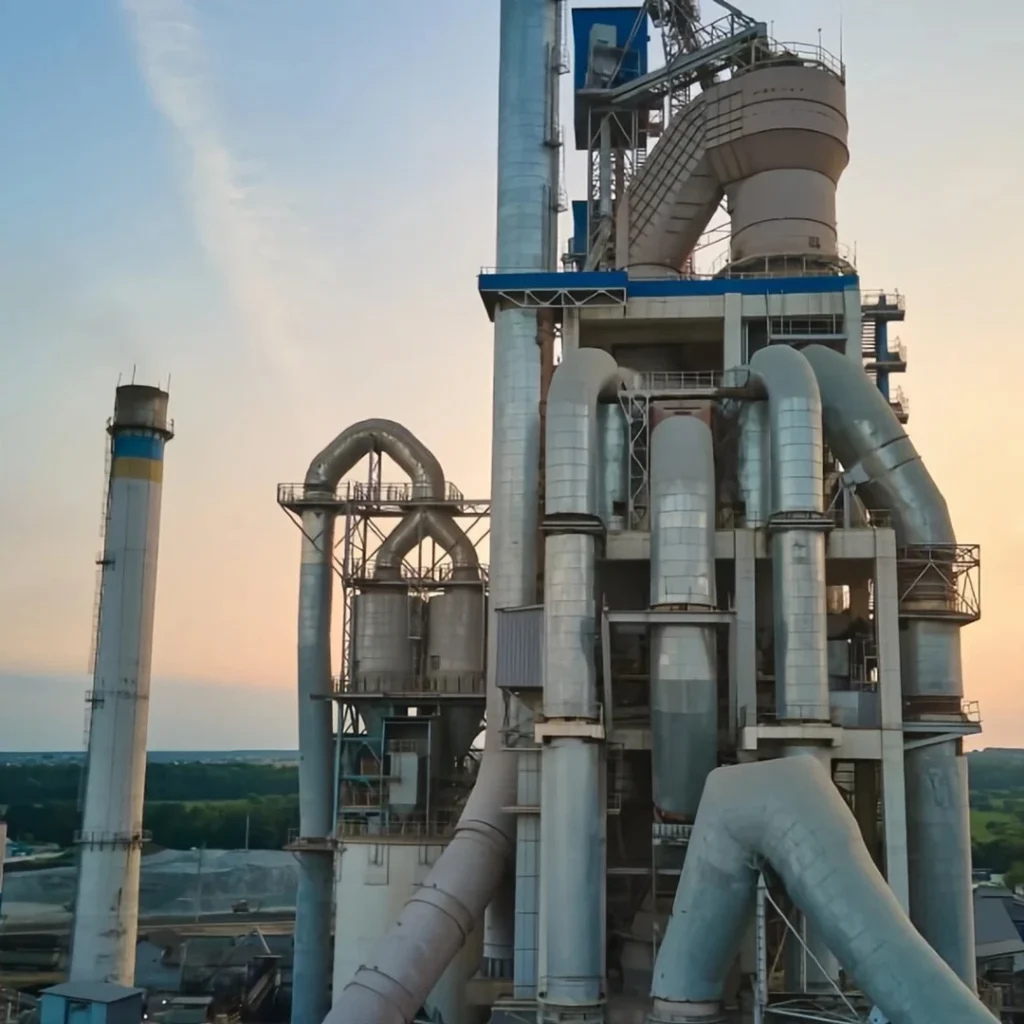
Process Flow and Instrumentation Layout in Cement & Building Materials
Cement manufacturing integrates multiple thermal, mechanical, and pneumatic systems. Accurate instrumentation across all process stages ensures consistent product quality, safety, and energy efficiency.
Complete Process Instrumentation for Chemical & Petrochemical Operations
Pressure Gauges
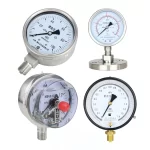
Leierda pressure gauges (mechanical pressure measuring instruments) for gauge, absolute, and differential pressure have been proven millions of times across industrial and process applications.
View Product >
Pressure Gauges
Leierda pressure gauges (mechanical pressure measuring instruments) for gauge, absolute, and differential pressure have been proven millions of times across industrial and process applications.
View Product >
Pressure Gauges
Leierda pressure gauges (mechanical pressure measuring instruments) for gauge, absolute, and differential pressure have been proven millions of times across industrial and process applications.
View Product >
Application Engineering
Designed for demanding conditions with high pressure, temperature, and corrosion resistance, Leierda instruments provide customizable pressure, flow, level, and analytical solutions.
System Integration
Fully compatible with DCS, PLC, and SCADA platforms, instruments provide easy I/O setup, validation documentation, and reliable signal performance for chemical, water, and energy systems.
Measurement Integrity
Each unit undergoes multi-stage calibration and stress testing under ISO and CE/Ex standards to ensure long-term accuracy and operational stability in continuous process conditions.
Global Partnership
Engineering teams cooperate with EPCs, integrators, and end users worldwide, offering technical support, training, and lifecycle services to secure process safety and uptime.
Real-World Instrumentation Cases in Cement & Building Materials
Instrumentation solutions for cement and building materials plants operate reliably under high temperature, heavy dust, and vibration.Accurate measurement of draft pressure, gas flow, and emissions supports stable combustion control, efficient energy use, and long-term environmental compliance.
Kiln Draft Pressure Monitoring Optimization
Challenge:
In the preheater and kiln section, heavy dust loading and high temperature often cause impulse lines to clog, resulting in unstable negative-pressure readings (−0.5 to −3 kPa) and irregular combustion control.
Solution:
High-temperature differential pressure transmitters with anti-clog diaphragm seals and sintered 316L filters were applied at the induced-draft fan inlet. The instruments featured integrated signal damping (1–3 s) and HART communication for online calibration and diagnostics.
Result:
Pressure fluctuation range was reduced by 15–20%, improving draft stability and reducing manual correction frequency. Combustion temperature uniformity across the kiln was noticeably improved, with fewer process upsets and smoother operation.
Clinker Cooler Heat Recovery Efficiency
Challenge:
Uneven air distribution in the clinker cooler caused inconsistent cooling and secondary-air temperature swings, leading to reduced fuel efficiency and variable clinker strength.
Solution:
Averaging pitot-type flow meters designed for dusty air were installed on the secondary-air ducts, paired with K-type thermocouple transmitters for temperature feedback. All signals were integrated into the fan control loop via Modbus RTU communication. The flow probes were equipped with compressed-air purge ports to prevent ash accumulation.
Result:
Airflow balance between cooler zones improved by roughly 10%, and temperature variation of secondary air decreased. Overall fuel consumption was reduced by 2–3%, and clinker quality variation (compressive strength deviation) decreased modestly.
Stack Emission Compliance Monitoring
Challenge:
Dust and high stack temperature caused analyzer drift and frequent maintenance, reducing valid monitoring hours and risking emission-reporting noncompliance.
Solution:
A multi-gas analyzer system (O₂/CO/NOₓ) was implemented with auto-purge, PTFE-coated sampling lines, and a heated probe at 180 °C to prevent condensation and plugging. The sampling filter was monitored with differential pressure sensors, triggering automatic back-purge cycles when fouling exceeded the set threshold.
Result:
Valid monitoring data availability exceeded 95% of operating hours. Signal drift remained within ±2% of full scale between calibrations, and maintenance intervals extended from weekly to monthly. The system maintained compliance with national emission standards while reducing service downtime.
Related Resources
Explore valuable content to gain insights into best practices and critical considerations when working with chemical and petrochemical systems.
Contact Leierda
Reliable instrumentation supports safe, efficient, and energy-optimized cement and building materials production.Collaborate with our engineering team to deploy integrated measurement solutions that enhance process stability, improve energy utilization, and ensure long-term operational reliability.